
Food Processing Machinery Buying Guide: Hygienic Design, Capacity and CIP
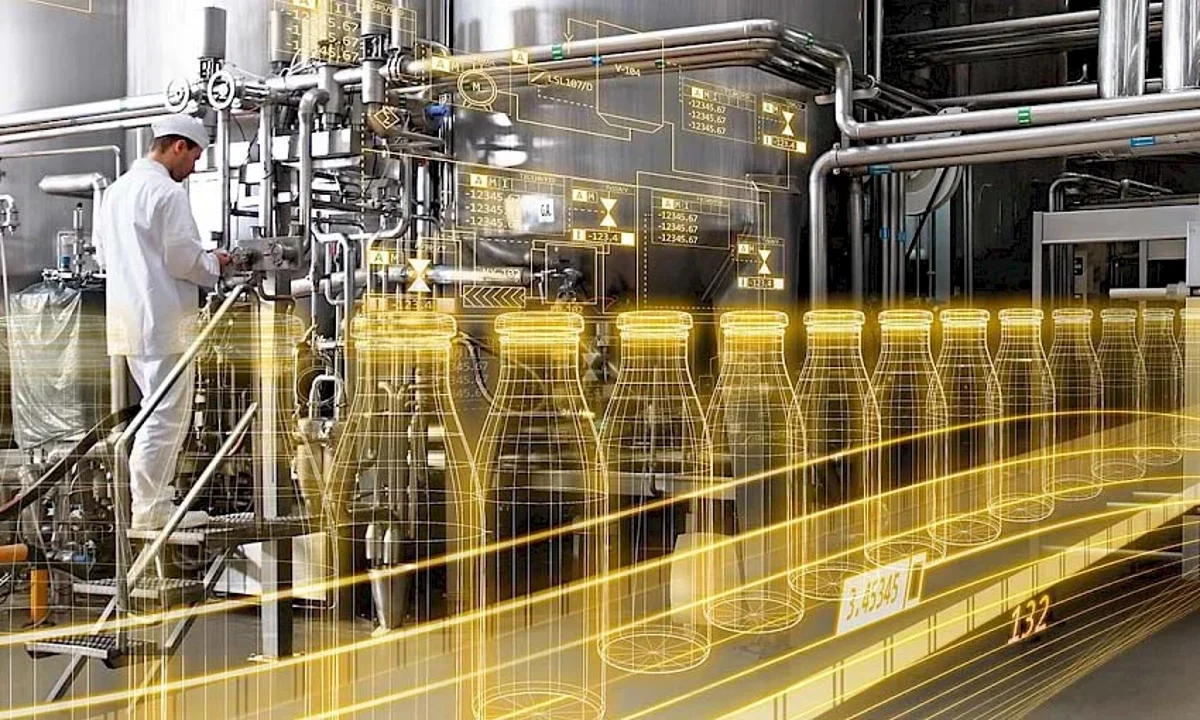
What to check before buying food processing equipment: 304 versus 316L stainless, hygienic design rules, CIP compatibility, capacity calculation and traceability. Includes a new-versus-used comparison, checklists and real cost items.
In food processing, hygienic design decides more than capacity. Contact surface material, weld quality, geometry without dead volume and CIP compatibility together determine both food safety and how many hours a day the line spends being cleaned rather than producing.
Five Rules of Hygienic Design
For product contact surfaces, 304 stainless is adequate for general food production, while salty, acidic or chlorinated environments require 316L. Welds must be continuous, smooth and passivated; internal corners should be radiused to at least 3 mm; pipework must be laid with drainage fall; and gaskets must be food-grade (EPDM, silicone, FKM). Equipment that ignores these rules doubles daily cleaning time and creates microbiological risk.
CIP Compatibility
Clean-in-place cycles typically run alkaline wash (1-2 percent caustic at 70-80 Celsius), acid wash and rinse. For a machine to be CIP compatible it must have no area that can only be cleaned by dismantling, and the pipework must sustain a minimum flow velocity of 1.5 m/s.
Capacity Classes and Energy Demand
| Equipment | Typical capacity | Installed power | Contact material | Critical service |
|---|---|---|---|---|
| Plate heat exchanger | 2,000-30,000 L/h | Pump 3-15 kW | 316L plates | Gaskets 2-4 years |
| Homogeniser | 500-10,000 L/h | 15-90 kW | 316L block | Piston seals 1,500 h |
| Liquid filling monobloc | 2,000-24,000 bottles/h | 5-25 kW | 316L | Seals, valves |
| Tunnel oven | 300-3,000 kg/h | Gas 150-900 kW | 304 | Burner annually |
| Vacuum bowl cutter / mixer | 200-1,500 L bowl | 15-75 kW | 304 / 316L | Knives and plate 500 h |
Used Food Equipment Checklist
- Ask which product group the machine previously handled; equipment from allergen production adds a heavy cleaning burden on an allergen-free line.
- Inspect contact surfaces for pitting corrosion, scratches and weld undercut, all of which harbour biofilm.
- Gaskets and seals must carry food-contact conformity documents; undocumented parts should be replaced.
- For heated equipment request the pressure vessel inspection report and safety valve calibration.
- Review calibration records for temperature, pressure and flow instruments.
- Confirm in writing that PLC software, recipe database and user rights are transferred.
- Check that the electrical cabinet is IP65 washdown rated and that cable glands are intact.
Equipment from GEA, Bühler, Marel, JBT and Alfa Laval has long-term spare and gasket availability, which also keeps used values high.
Sizing the Line
Capacity is calculated backwards from the product. Divide daily target output by real production time after cleaning. In an eight-hour shift, CIP and setup typically consume one to two hours, so nominal capacity should be at least 20-25 percent above the target. On lines with thermal processing, heating and cooling ramps belong in the same calculation.
Downstream packaging must match process capacity; filling and packaging options are listed under packaging machinery. For cold chain and process cooling, review chillers and cold room equipment under HVAC and ventilation equipment.
Cost Items
- Energy: heating and refrigeration dominate food plant energy. Regenerative pasteurisers can recover more than 90 percent of the heat.
- Water and chemicals: a single CIP cycle uses 0.5-5 m³ of water depending on equipment size, so recovery pays back quickly.
- Consumables: gasket sets, knives, filters and seals should be budgeted annually.
- Validation and certification: a new line means HACCP updates, validation runs and operator training.
Traceability, Automation and People
Traceability matters as much as equipment in food production. Recording which raw material went into which batch, at what temperature and for how long, is mandatory for audits and essential in a recall. Modern process equipment logs this through the PLC; on older machines it is recorded manually and the error risk climbs. On a used machine, whether data logging and reporting exist can matter more than raw capacity.
Automation level should follow product type. For frequent recipe changes and small batches, flexible operator-driven systems work better. For large batches of standard products, recipe-controlled automatic systems improve both repeatability and waste.
Training is the cost item most often forgotten. When a new line starts up, operators must be trained on cleaning protocols, allergen management and emergency procedures. A team that does not follow hygiene rules turns even the best-designed line into a hazard. Commissioning training and the first three months of validation testing therefore belong in the investment budget.
Layout matters as much as equipment. Keeping raw material intake, processing and dispatch flows from crossing, separating raw and cooked product zones, and controlling personnel entry through hygiene barriers are the points auditors ask about most. If machine layout ignores that flow, even a technically sound line carries cross-contamination risk.
New or Used?
In food equipment, hygiene class and documentation burden decide. New equipment arrives with a validation file and material certificates; used equipment offers a serious cost advantage when it has run the same product group and its paperwork is complete.
| Criterion | New machine | Used machine |
|---|---|---|
| Initial investment | High | Substantially lower |
| Lead time | 8-30 weeks after order | Usually 1-3 weeks |
| Warranty and service | Manufacturer warranty, commissioning included | Limited or dealer warranty |
| Technology and efficiency | Automatic CIP, recipe control, data logging and traceability | One or two generations behind |
| Spare parts | Secured for many years | Depends on model age |
| Depreciation | Steep loss in the first years | Much slower value loss |
| Finance and leasing | Suits leasing and incentives | Limited, needs appraisal |
New process equipment stores the temperature, time and pressure history of every batch automatically through recipe-controlled automation. Material certificates, surface roughness reports and the CE conformity file come complete. On energy, high-regeneration heat exchangers demand markedly less steam and cooling for the same throughput.
What to ask when buying new matters just as much as the used checklist:
- Lead time: the schedule from order confirmation to commissioning must be in writing.
- Warranty scope: duration, excluded parts and response time should be stated clearly.
- Service network: ask the distance to the nearest authorised service and its response time.
- Parts commitment: stock status and lead time for critical parts belong in the contract.
- Training and commissioning: confirm operator training and acceptance tests are included in the price.
Frequently Asked Questions
What is the difference between 304 and 316L stainless?
316L contains molybdenum and resists pitting corrosion far better in chloride and acidic environments. Use it for pickles, brines, seafood and high-salt processes. For dry and neutral products, 304 is sufficient and more economical.
What is the biggest risk when buying used food equipment?
Dead volumes that cannot be cleaned and undocumented gasket materials. Even a machine that looks clean will grow biofilm in any area that cannot be dismantled, creating a contamination risk. Inspect the machine with it partially stripped down.
How do I size a pasteuriser?
Divide the daily litres to be processed by net production hours and add a 20 percent margin. High-regeneration plate systems require far less steam and cooling for the same throughput, and that difference dominates the running cost.
Which documents should I request?
Ask for the CE declaration of conformity, food contact material certificates, pressure vessel report, electrical cabinet compliance file and any instrument calibration certificates. Auditors ask for exactly these documents.
Can CIP be retrofitted?
If pipework and tank geometry allow it, a CIP unit can be added later. But if the line has no drainage fall or has dead legs, mechanical rework comes first. Adding CIP does not by itself fix a machine with poor hygienic design.
Does used equipment create a compliance risk?
Equipment with complete documents, sound contact surfaces and a known history passes audits without trouble. The risk sits with units lacking material certificates, with unknown allergen history or modified after manufacture, which then need a conversion file and a fresh conformity assessment.
To compare new and used process, filling, cutting and thermal treatment equipment, browse the food processing machinery category.