
Recycling Plant Machinery Buying Guide: Shredders, Balers and Sorting Lines
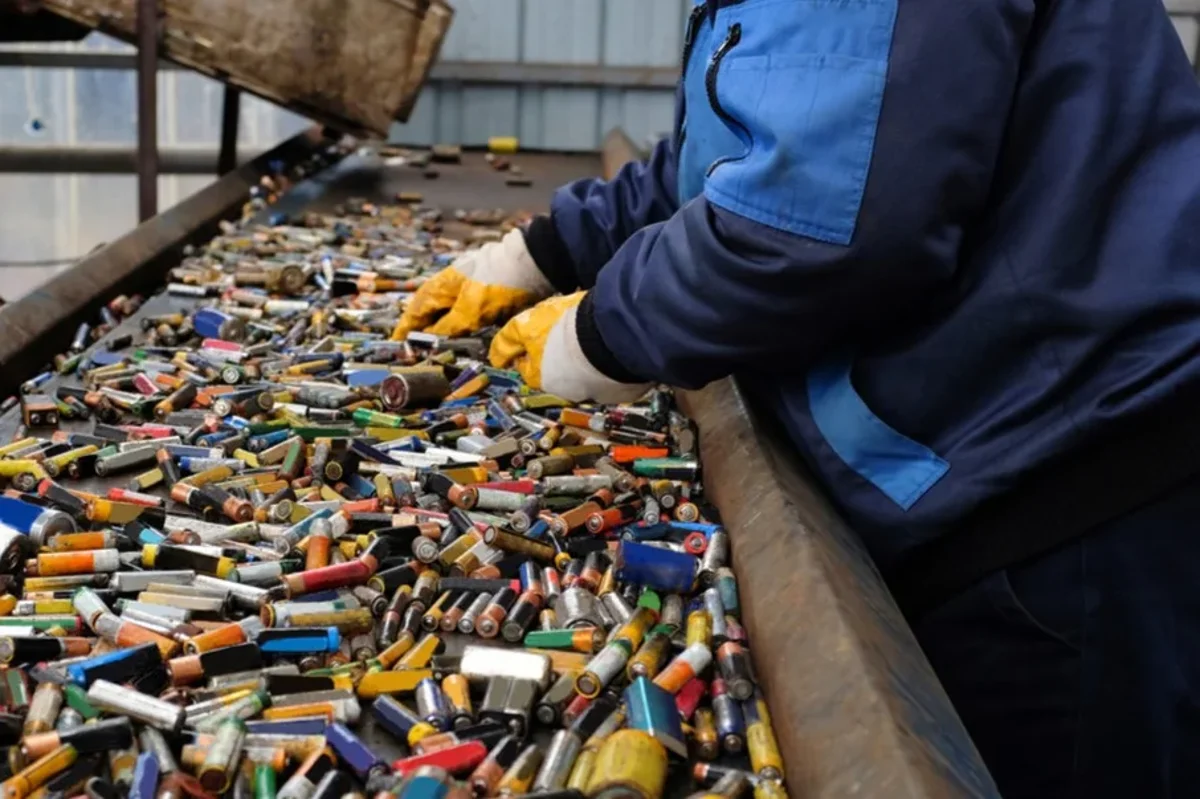
How to plan shredder capacity, baler press force, sorting line belt speed and feed balance for a recycling plant. Single-shaft versus twin-shaft shredders, blade life, a new-versus-used comparison and operating cost per tonne.
Rated capacity means little on its own in a recycling investment; what decides output is the feed material and its contamination level. The same shredder that produces 2 tonnes per hour on clean industrial plastic may drop to 800 kilograms on mixed municipal waste. Always size from the real feed.
Shredder Types and Applications
Single-shaft shredders push material onto the rotor with a hydraulic ram and use a screen to deliver a uniform output size, which suits plastics, wood and paper. Twin-shaft shredders run at low speed and high torque, resist jamming on bulky mixed waste, but give a coarser output. Hammer mills serve metal and scrap applications. Granulators act as a second stage, reducing pre-shredded material to 4-12 mm.
Balers
Horizontal balers handle paper, cardboard, PET and film with press forces of 20-80 tonnes. Automatic tying models deliver 3-15 tonnes per hour. Vertical balers are an economical option for low volumes. Bale density directly drives haulage cost: at 400 kg/m³ instead of 250 kg/m³, the same truck carries far more material.
Capacity and Wear Classes
| Equipment | Capacity | Motor power | Blade / wear life | Typical material |
|---|---|---|---|---|
| Single-shaft shredder | 500-3,000 kg/h | 37-160 kW | Blades 400-800 h | Plastics, wood |
| Twin-shaft shredder | 1-10 t/h | 45-250 kW | Blades 600-1,200 h | Mixed waste, drums |
| Granulator | 200-1,500 kg/h | 15-75 kW | Blades 200-500 h | Plastic parts |
| Horizontal baler | 3-15 t/h | 15-75 kW | Knife annually | Paper, PET, film |
| Sorting line (belt) | 2-15 t/h | 10-60 kW | Belts 3-6 years | Packaging waste |
Line Balance and Feed Planning
The most common mistake is pairing a powerful shredder with a weak feed and sorting system. A line consists of feed conveyor, pre-sorting, shredding, magnetic and eddy-current separation, screening, washing (for plastics) and baling. Each step should be planned 10-15 percent above the capacity of the next. Optical sorters, such as systems from Tomra, deliver far higher purity than hand picking but require investment and calibration.
Used Recycling Equipment Checklist
- Ask which waste stream the machine processed; a rotor that ran metal-contaminated mixed waste is far more fatigued.
- Inspect the rotor body for cracks, imbalance and old weld repairs; rotor replacement is the most expensive item.
- Check blade seat deformation and completeness of the blade set.
- Inspect gearbox oil and noise, and request an oil analysis.
- Examine screen condition, wear plates and hopper lining.
- On balers, test cylinder leaks, the tying system and door interlock mechanism.
- Verify the electrical cabinet, overload protection and automatic reversing function.
- Check that the machine capacity matches the environmental permit and capacity report of the site.
Lindner, Untha, Vecoplan, Erdwich and Bollegraaf are the manufacturers most often encountered in this segment.
Operating Cost Per Tonne
- Energy: shredding dominates plant electricity; a 132 kW shredder at full load uses about 120 kWh per hour.
- Blades and wear: sharpening and replacement form a visible share of cost per tonne on mixed waste.
- Labour: the number of pickers on the sorting belt is the most flexible cost item in the plant.
- Water: plastic washing lines need water supply and effluent treatment planning.
- Haulage: bale density and dispatch planning set logistics cost per tonne.
For waste collection and yard handling see loaders under construction machinery, for dispatch see trucks and transport vehicles, and for reprocessing recovered granulate see plastics and rubber machinery.
Magnetic, Eddy-Current and Screen Separation
Separation is the step that determines the value of a recycling line. Overband magnets pull ferrous metal off the belt, raising product purity and protecting downstream machines from tramp metal. Eddy-current separators eject non-ferrous metals such as aluminium and copper; their efficiency depends heavily on particle size and drops sharply below about 5 millimetres.
Screens classify material by size and raise the efficiency of every subsequent step. Star screens perform better on light, flat material, while trommels handle bulk and mixed feed. Ballistic separators are used to split flat material from three-dimensional items.
Air separation, whether zig-zag or air knife, removes light film and foil from the heavy fraction. In plastic recycling this step markedly improves quality before washing. When buying a used line, documented settings such as magnetic field strength, rotor speed and belt speed make commissioning far easier.
The last step in planning is validating the market for your output. Choosing machinery before you know the buyer, quality specification and price band for your bales or granulate is risky, because the purity target of the line is set by that specification. If the buyer requires 98 percent purity, hand picking alone will rarely reach it.
New or Used?
In recycling, feed continuity and target purity decide. A new line raises material value through automation and higher purity; a used line lets a business whose waste stream is not yet settled start with low risk.
| Criterion | New machine | Used machine |
|---|---|---|
| Initial investment | High | Substantially lower |
| Lead time | 8-30 weeks after order | Usually 1-3 weeks |
| Warranty and service | Manufacturer warranty, commissioning included | Limited or dealer warranty |
| Technology and efficiency | Optical sorting, automatic reversing, remote monitoring | One or two generations behind |
| Spare parts | Secured for many years | Depends on model age |
| Depreciation | Steep loss in the first years | Much slower value loss |
| Finance and leasing | Suits leasing and incentives | Limited, needs appraisal |
A new line cuts hand-picking labour with optical sorters and automatic control, and lifts output purity above the buyer specification. Modern shredders reverse automatically on overload and protect the rotor. Remote monitoring logs hourly tonnage and energy use, making cost per tonne transparent.
What to ask when buying new matters just as much as the used checklist:
- Lead time: the schedule from order confirmation to commissioning must be in writing.
- Warranty scope: duration, excluded parts and response time should be stated clearly.
- Service network: ask the distance to the nearest authorised service and its response time.
- Parts commitment: stock status and lead time for critical parts belong in the contract.
- Training and commissioning: confirm operator training and acceptance tests are included in the price.
Frequently Asked Questions
Single-shaft or twin-shaft shredder?
Choose single-shaft when you need a uniform output size and the material is clean. For bulky, mixed waste that may contain metal, a twin-shaft machine is far more tolerant of jamming and foreign objects.
How do I size a baler?
Divide the daily tonnage by net operating hours and add 20 percent. A plant processing 40 tonnes of paper a day over eight hours needs roughly a 6 tonne per hour automatic tying baler.
How long do blades last?
Typically 600-800 operating hours on clean plastic and 300-400 hours on contaminated mixed waste. Blades can usually be resharpened several times; once regrinding is exhausted, a full set replacement must be budgeted.
When does an optical sorter pay off?
Above roughly 5 tonnes per hour of packaging waste with high purity requirements, an optical sorter pays back by cutting picking labour and raising material value. At lower tonnage the investment is usually premature.
Does the environmental permit affect machine choice?
Yes. The permit defines which waste codes the site may process and its annual capacity. If the machine exceeds the permitted capacity, that capacity cannot legally be used, so permit and machine sizing must be planned together.
Should a new plant start with new equipment?
Investing in a new line before the waste stream and buyer specification are settled risks the wrong capacity. Running the first year on used equipment to measure the flow, then replacing the bottleneck step with new equipment, is the safer route for most plants.
To review new and used shredders, granulators, balers, sorting lines and washing systems, browse the environmental and recycling machinery category.