
Compressed Air Equipment Prices and Models
4 products found.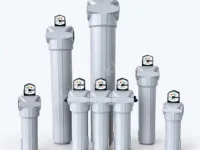 Image
Havkom Compressed Air Line Filters
 Image
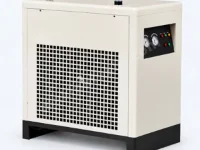
Havkom Refrigerated Dryer (Gas Dryer)
 Image
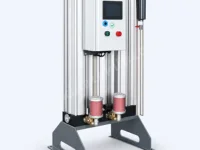
Havkom Chemical Dryer (-40°C Desiccant)
 Image
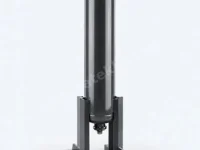
Havkom Activated Carbon Tower | Carbon Media Replacement and Air Purity Analysis
Compressed Air Equipment: Air Dryers, Air Receivers, Line Filters and Air Treatment Systems
Compressed Air Equipment covers the auxiliary equipment that dries, filters and stores compressor air and delivers it clean and at stable pressure to the point of use. Automotive, food, pharmaceutical, textile, packaging and metalworking plants use it to protect pneumatic machines from moisture, oil and particles and to reduce pressure loss and energy use. On makinateklif.com you can compare new and used compressed air equipment listings by equipment type, capacity, working pressure and brand and request quotes directly from sellers.
Types of Compressed Air Equipment and What They Are Used For
Refrigerated air dryers: These cool the air to condense moisture and reach a dew point of around +3 °C. They are the most common choice for general production, pre-paint air and pneumatic lines.
Desiccant air dryers: Desiccant towers reach dew points of -40 °C and below for pharmaceuticals, electronics, food packaging, outdoor lines and nitrogen generator feed.
Air receivers: Tanks store compressed air, prevent frequent compressor cycling and cover demand peaks. Vertical, horizontal and galvanised models are available.
Line filters: Coarse, fine and activated carbon stages capture particles, oil aerosols and odour and are used in series to reach an ISO 8573-1 air quality class.
Oil water separators and condensate drains: These separate oily condensate from compressors and dryers and drain it automatically, as environmental rules require.
Air preparation units and pressure regulators: Filter, regulator and lubricator units set pressure at the point of use and protect pneumatic components.
Compressed air piping systems: Aluminium and stainless pipe, fittings and distribution manifolds create low pressure drop networks.
What Determines Compressed Air Equipment Prices?
Flow and capacity: Price rises with the air flow handled in m³ per minute and with tank volume.
Working pressure: High pressure equipment rated 16 bar and above costs more than standard 10 bar models.
Drying and filtration class: Low dew points and high ISO 8573-1 air quality need more complex and more expensive equipment.
Energy efficiency: Variable speed, heatless regeneration or smart drain models cost more up front but lower running costs.
Brand and certification: Makers such as Atlas Copco, Kaeser, Parker and Beko Technologies, and receivers certified under pressure equipment rules, sit at the top of the price range.
What to Check When Buying Used Compressed Air Equipment
For air receivers, check the year of manufacture, CE and pressure test certificates and internal corrosion.
For dryers, ask about the refrigerant type, refrigeration compressor condition and last desiccant change.
Compare the flow and pressure ratings with the capacity of your compressor.
Confirm that filter elements and drain valves are available as spares.
See the safety valve, pressure gauge and automatic drain working on site.
How to Reduce Energy Loss in Compressed Air
Compressed air is one of the most expensive forms of energy on site, and most of the losses come from line leaks, clogged filters and unnecessarily high working pressure. Correctly sized receivers, low pressure drop filters and piping and zero-loss condensate drains shorten compressor run time. Define your plant's air demand profile and required air quality class before choosing equipment.