
Gas Production Systems Prices and Models
5 products found.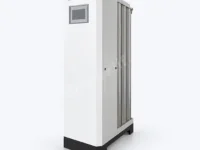 Image
Havkom Modular PSA Nitrogen Generator
 Image
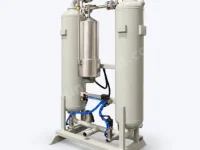
Havkom Dual Tower PSA Nitrogen Generator
 Image
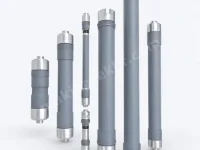
Havkom Membrane Nitrogen Generator
 Image
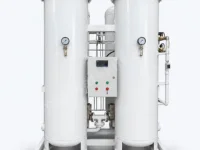
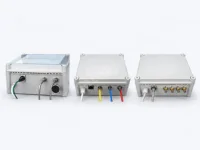
Havkom PSA Oxygen Generator | Medical and Industrial Oxygen Production
 Image
Havkom Precision Gas Mixer & Blending Units | MAP and Process Gases
Gas Generation Systems: Nitrogen, Oxygen, Hydrogen and Ozone Generators
Gas Generation Systems covers machines that produce industrial gases such as nitrogen, oxygen, hydrogen and ozone on site, from compressed air, water or oxygen, without cylinder or tanker supply. Food packaging, laser cutting, electronics, chemical, healthcare, water treatment and metalworking companies use them to cut gas costs and remove supply dependency. On makinateklif.com you can compare new and used gas generation system listings by gas type, capacity, purity and brand and request quotes directly from sellers.
Types of Gas Generation Systems and What They Are Used For
Nitrogen generators: PSA or membrane units produce nitrogen from compressed air at 95% to 99.999% purity. They are used in food and beverage packaging, laser cutting, injection moulding, electronics soldering and tank blanketing.
Oxygen generators: PSA and VPSA systems separate oxygen from air at 90% to 95% purity. Hospitals, fish farms, ozone feed, glass and metal cutting and wastewater aeration rely on them.
Hydrogen generators: PEM or alkaline electrolysers produce hydrogen from water. They serve laboratory gas chromatography, heat treatment furnaces, generator cooling and green hydrogen projects.
Ozone generators: Corona discharge units produce ozone from air or oxygen for drinking water and pool disinfection, odour and microbe control in food storage and textile bleaching.
CO2 recovery systems: These capture and purify carbon dioxide from fermentation and flue gases. Breweries, soft drink and bioethanol producers use them to reduce gas purchases.
What Determines Gas Generation System Prices?
Capacity: Higher output in Nm³ per hour means larger adsorber columns, compressors and tanks, and a higher price.
Purity: High purity such as 99.999% needs more molecular sieve or membrane area and more compressed air.
Technology: PSA, VPSA, membrane and electrolysis systems differ widely in capital and running costs.
Package scope: Complete systems with compressor, dryer, filters, buffer tank, gas analyser and filling manifold cost more than standalone units.
Brand and certification: Makers such as Atlas Copco, Parker and Inmatec, and systems approved for medical or food grade use, sit at the top of the price range.
What to Check When Buying a Used Gas Generation System
Ask for running hours and the last replacement date of the molecular sieve, membrane or electrolyser stack.
Have the rated capacity and purity measured on site with a gas analyser.
Compare the inlet air requirements, meaning pressure, dew point and oil content, with your compressor line.
Confirm the availability of valves, controllers and sensors and of service support.
For medical or food use, ask for compliance certificates and maintenance records.
Gas Cylinders or On-Site Gas Generation?
For companies with steady, high-volume gas use, a gas generation system removes cylinder and tanker rental, delivery costs and price swings, and often pays back within a few years. With low or irregular use, cylinder supply can remain cheaper. Calculate your monthly gas consumption, the purity you need and your energy cost together before deciding.