
Material Analyzer Prices and Models
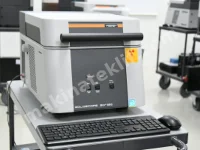
in your search 2 products found.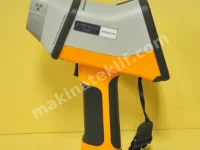
Material Analyzers: XRF, OES, LIBS and Carbon Sulfur Analyzers
A material analyzer is a measuring instrument that determines the chemical composition and grade of metals, alloys, minerals, plastics and other materials. Foundries and steel producers, metalworking plants, scrap and recycling companies, quality control laboratories, mining companies and inspection bodies use these instruments to verify incoming material, control alloy composition in production and generate data for certificates. On makinateklif.com you can compare new and used material analyzer listings by measuring technology, portability, brand and location and request quotes directly from sellers.
Types of Material Analyzers and What Each Is For
Handheld XRF analyzers: Measure alloy, metal and mineral composition in seconds without damaging the sample using X-ray fluorescence; the most common instrument for scrap sorting, incoming material inspection and field work.
Benchtop XRF spectrometers: Analyse powders, liquids and solids in the laboratory with lower detection limits.
Optical emission spectrometers (OES): Use spark excitation for precise element analysis, including carbon, in steel, aluminium, copper and cast iron; the core instrument for production control in foundries. Stationary and mobile models are available.
LIBS analyzers: Use a laser to measure carbon and light elements in a handheld unit; preferred for aluminium and stainless steel sorting.
Carbon sulfur and gas analyzers: Measure carbon, sulfur, oxygen and nitrogen in steel, cast iron and ceramics by combustion or fusion.
X-ray diffraction (XRD) instruments: Determine crystal structure and phase composition; used in mining, cement and advanced materials laboratories.
What Determines Material Analyzer Prices?
Measuring technology: XRF, OES, LIBS and laboratory analyzers sit in different price ranges.
Element range and detection limits: The ability to measure light elements, carbon and low concentrations.
Calibrations and application packages: Installed calibrations for iron, aluminium, copper and nickel based alloys and for mining.
Portability and durability: Handheld, mobile or stationary laboratory design and resistance to field conditions.
Software and reporting: Alloy libraries, data export, reports and certificate output.
Service and warranty: Authorised service, spare parts and periodic calibration support.
What to Check When Buying a Used Material Analyzer
New, used and refurbished instruments from manufacturers such as Thermo Fisher Scientific, Evident (Olympus), Hitachi High-Tech, SPECTRO, Bruker, SciAps and LECO are widely traded. When assessing a used instrument, it is worth checking the following:
Operating hours and condition of the X-ray tube, detector or spark stand
A current calibration record and accuracy confirmed against reference samples
The alloy calibration packages you need and the software licence transfer with the instrument
On OES instruments, the argon system, optics and vacuum unit work properly
The manufacturer still provides spare parts and service support
Radiation safety documents for instruments with an X-ray source, and the permits and licences required for their use
Foundries and laboratories with certified production and continuous quality control usually choose new instruments with warranty, while recalibrated used analyzers are an economical option for scrap sorting, field inspection and backup needs.