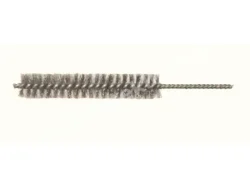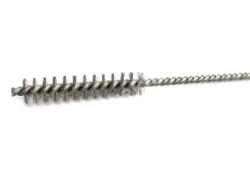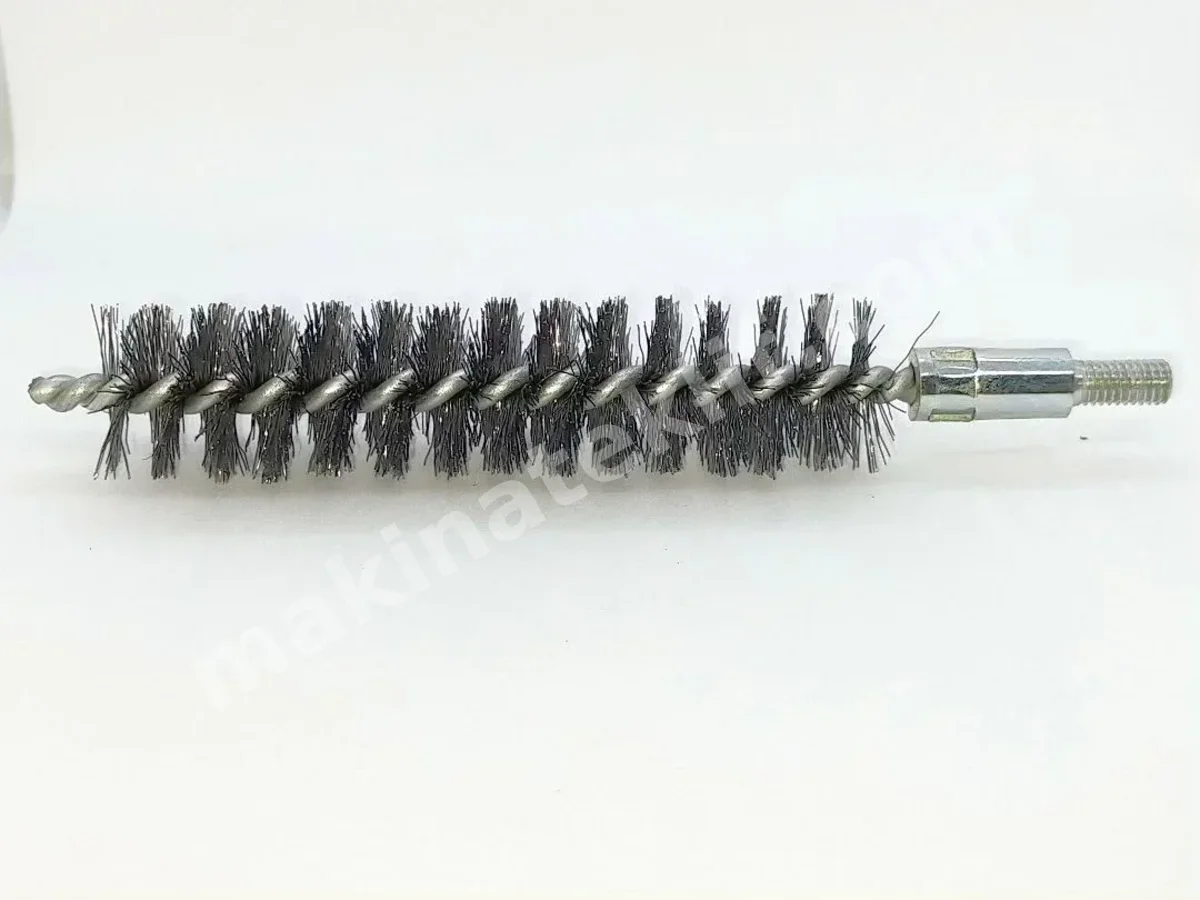
#0000893CategoryIndustrial BrushesProduct TypeCylinder BrushBrandBabataşListing TypeFor SaleConditionNewLocationİstanbulEyüpsultanDeliveryIn Stock
- I would like to check availability.
- I would like to know the delivery time.
- I would like to know the payment terms.
- I would like shipping information.
- Is a used option available?
- Is leasing available?
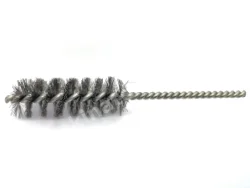
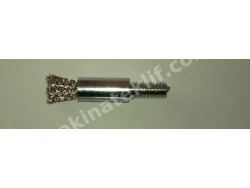
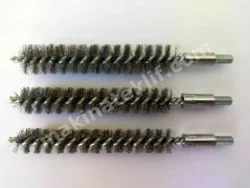
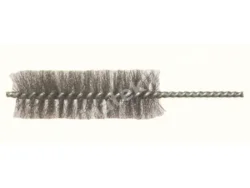
Boiler Tube Brushes (boiler tube cleaning brushes) are high-strength industrial maintenance tools designed to remove heavy soot, carbon deposits, tar, scale, and limescale from industrial steam boilers, heating boilers, hot oil boilers, and marine boilers.
Just 1 mm of soot buildup on the inner walls of boiler tubes can cause fuel and energy losses of up to 10%. Manufactured by tightly twisting corrugated steel wires between two or four steel shafts, these brushes mechanically scrape hardened carbon deposits from the inner surfaces of boiler tubes, helping maximize heat transfer efficiency.
Detailed Dimensional Standards for Boiler Tube Brushes
When selecting a boiler tube cleaning brush, the correct size is determined by the tube's actual internal diameter (ID), not its nominal outside diameter. For effective removal of hardened soot deposits, the brush outside diameter is recommended to be 0.5 mm to 2 mm larger than the tube's internal diameter.
- Brush Diameter (Ø) Standards:
- Small and Narrow Boiler Tubes: Ø 25 mm (1″), Ø 32 mm, Ø 38 mm (1-1/2″), Ø 45 mm.
- Standard Heating and Steam Boilers: Ø 51 mm (2″), Ø 57 mm, Ø 60 mm, Ø 63 mm (2-1/2″), Ø 70 mm, Ø 76 mm (3″).
- Large Industrial Boilers and Flues: Ø 89 mm (3-1/2″), Ø 102 mm (4″), Ø 114 mm, Ø 127 mm (5″), Ø 152 mm (6″). Custom sizes up to Ø 250 mm are also available.
- Effective Brushing (Bristle Arrangement) Length: To allow the brush to move through the tube without losing torque and to facilitate the removal of loosened deposits, the bristle-covered section is generally standardized between 80 mm and 140 mm (8–14 cm), depending on the brush diameter.
- Heavy-Duty Wire Thickness: Thick, aggressive wires are used to remove hardened boiler deposits. Standard wire thicknesses are 0.30 mm, 0.35 mm, and 0.50 mm corrugated (crimped) steel wires.
- Connection and Shank Standards (Extension Systems): Since boiler tubes can be several meters long, brushes are attached to threaded cleaning rods or extension shafts.
- Metric Threads: M12 internally or externally threaded connection ends, compatible with commonly used tube-cleaning rods in the Turkish and European markets. M10 and M16 connections can also be manufactured on request.
Types and Applications by Bristle Material
Different wire materials are selected according to the boiler tube material and the type of deposits inside the tubes:
- High-Carbon Steel Wire (Spring Steel): A steel wire construction offering high wear resistance and aggressive scraping performance. Suitable for standard steel and iron boiler tubes, particularly for removing hardened soot, tar, flue deposits, and scale.
- Stainless Steel Wire (302/316 SS): Resistant to oxidation and corrosion, with additional durability at high temperatures. Preferred for descaling and surface cleaning in stainless steel boilers and specialized chemical heat exchanger tubes.
Babataş Harbi Fırça Sanayi
Sakarya Mahallesi Karakol Üstü Sokak No: 13 -15/B, Eyüpsultan, İstanbul, Turkiye