Listing No
#0000889CategoryIndustrial BrushesProduct TypeCylinder BrushBrandBabataşModelFP-03Listing TypeFor SaleConditionNewLocationİstanbulEyüpsultanDeliveryIn StockAsk for PriceThe seller shares the price on request

Yalçın BabataşMember since 2026
Consultant

Yalçın Babataş
Choose a topic
- I would like to check availability.
- I would like to know the delivery time.
- I would like to know the payment terms.
- I would like shipping information.
- Is a used option available?
- Is leasing available?
Advertisement
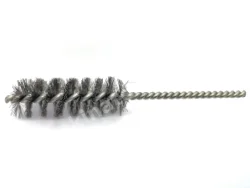
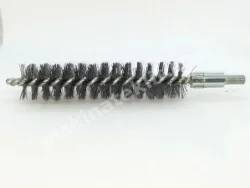
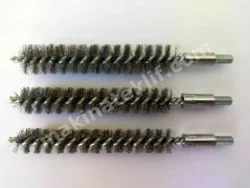
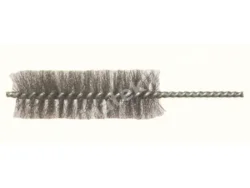
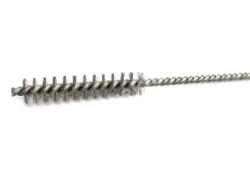
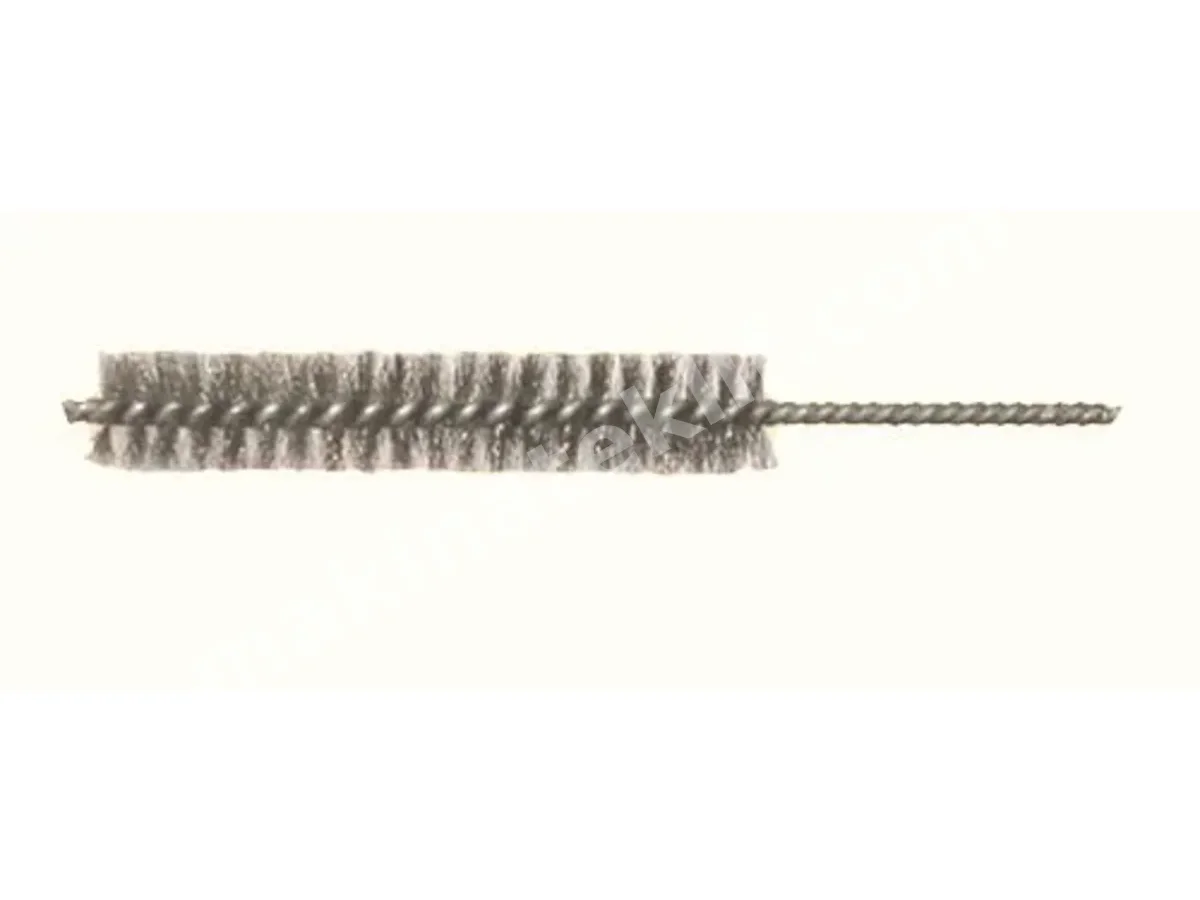
Steel Wire Tube Cleaning Brush
- Diameter: 20 mm
- Overall Length: 13 cm
- Brush Length: 9 cm
- Brush Material: 0.15 mm steel wire
- Handle Material: 2.5 mm galvanized wire
What Are Stainless Steel Wire Tube Brushes Used For?
- Helps Prevent Corrosion and Contamination: When stainless steel or titanium surfaces are cleaned with a standard carbon steel wire brush, iron particles may transfer to the surface and cause rust. Stainless steel wire brushes help reduce the risk of contamination from foreign metal particles.
- Removes Hard Deposits: Mechanically removes solid deposits such as hard limescale, scale, welding oxides, rust, and tar that accumulate inside tubes.
- Removes Manufacturing Burrs (Deburring): Removes sharp burrs left inside holes after metalworking or thread-tapping operations, helping smooth the surface.
- Resists Acids and Chemicals: The stainless steel wire construction maintains its corrosion resistance under suitable operating conditions during cleaning with descaling chemicals or solvents.
How to Use a Stainless Steel Wire Tube Brush
The method of use depends on the handle or connection type at the back of the brush. There are three main application methods:
1. Manual Operation
- Compatible Brush Type: Handled models with ring or grip handles.
- Application: Hold the integrated steel handle at the back of the brush. Insert the brush into the hole or tube to be cleaned. Clean the internal surfaces using a combination of back-and-forth movements and clockwise rotation.
- Tip: Continue rotating the brush while withdrawing it to help remove loosened deposits from the hole.
2. Operation with a Corded or Cordless Drill
- Compatible Brush Type: Straight-shank or hex-shank models.
- Application: Insert the brush's straight shank into the chuck of a cordless screwdriver or electric drill and tighten it securely. Then insert the brush into the hole to be cleaned.
- Tip: Operate the drill at low speed with controlled torque. Excessive speed may cause premature wire wear or cause the brush to become stuck inside the hole, twisting the shaft. Follow the brush manufacturer's specified rotation direction to prevent the twisted body from unwinding.
3. Operation with Industrial Flexible Shafts and Machines
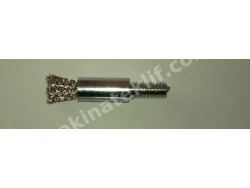
- Compatible Brush Type: Threaded models with M6, M12, or 1/4″-28 UNF connections.
- Application: Commonly used for cleaning long tubes in chillers, evaporators, and heat exchangers. The brush is securely threaded onto the end of a water-fed flexible shaft connected to a tube cleaning machine. The machine is then operated to move the shaft through the tube.
- Tip: Water can be supplied through the tube behind the brush to help flush loosened limescale and deposits out of the tube.
Important Rules for Safe and Proper Use
- Size Tolerance: The brush diameter should be selected to be 0.5 mm to 1.5 mm larger than the internal diameter of the hole being cleaned. Brushes with the same or a smaller diameter may not make sufficient contact with the internal surface.
- Surface Compatibility: Stainless steel wire brushes are hard and abrasive. They can be used on stainless steel, titanium, iron, and cast iron surfaces, taking the material and surface characteristics into account. For softer metals such as copper, brass, and aluminum, brass wire or nylon brushes are recommended to reduce the risk of scratching or damaging the surface.
- Workplace Safety: Wire fragments may break loose during operation with high-speed machines. Always wear safety goggles and suitable protective work gloves.
Industrial Brush TypeCylinder Brush
Bristle & Wire Material TypeStainless Steel Wire Brush
Babataş Harbi Fırça Sanayi
Sakarya Mahallesi Karakol Üstü Sokak No: 13 -15/B, Eyüpsultan, İstanbul, Turkiye