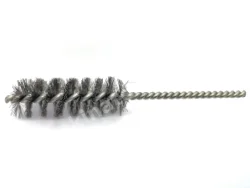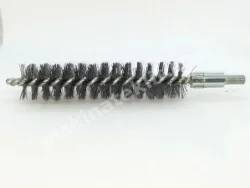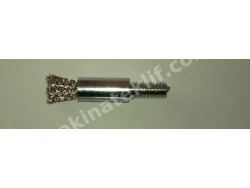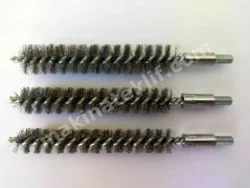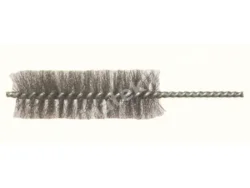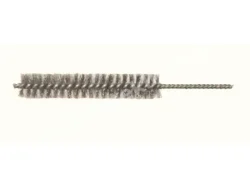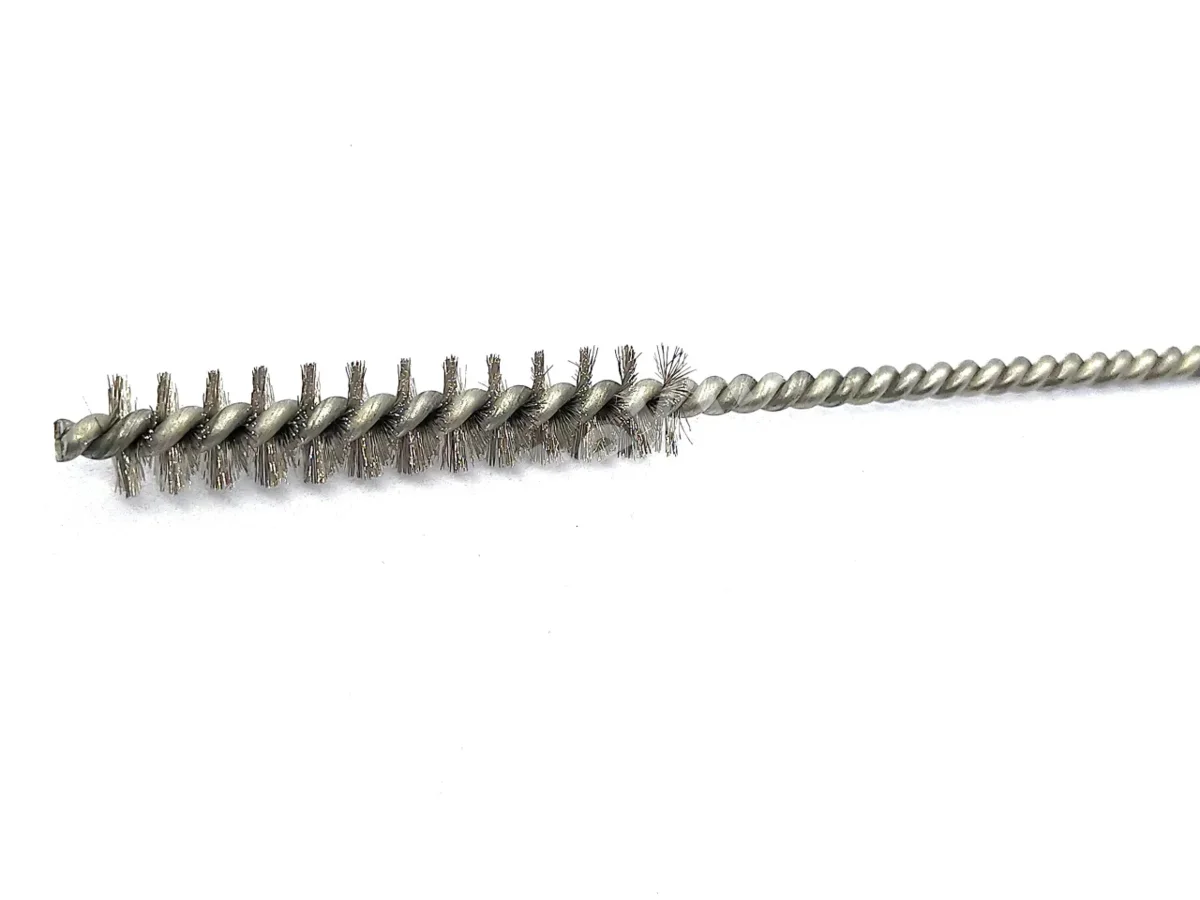
#0000888CategoryIndustrial BrushesProduct TypeCylinder BrushBrandBabataşModelFP-02Listing TypeFor SaleConditionNewLocationİstanbulEyüpsultanDeliveryIn Stock

- I would like to check availability.
- I would like to know the delivery time.
- I would like to know the payment terms.
- I would like shipping information.
- Is a used option available?
- Is leasing available?
Heat Exchanger Tube Cleaning Brushes are high-performance industrial consumables designed to remove limescale, mineral deposits, rust, algae (biofilm), and tar-like soot that accumulate over time inside the tubes of industrial cooling and heating systems, including heat exchangers, chiller units, condensers, boilers, and evaporators.
The efficient operation of heat exchanger systems depends on effective heat transfer through the tube walls. Even a thin layer of limescale or soot, just 0.5 mm thick, can significantly reduce heat transfer efficiency. This may cause the system to consume more energy (electricity, gas, or coal) and overload compressors, potentially leading to equipment failures.
Periodic mechanical cleaning with heat exchanger tube brushes removes deposits from internal tube surfaces and helps maintain the system's heat transfer performance.
1. Selecting Bristle Material According to Heat Exchanger Construction
Depending on their application, heat exchanger tubes are manufactured from different metals, including copper, titanium, stainless steel, and carbon steel. Selecting the correct bristle material is essential to prevent damage to the internal tube surface, such as scratching or perforation.
- Brass Wire Heat Exchanger Brushes: One of the most widely used options for delicate copper, brass, and copper-nickel alloy (cupronickel) heat exchanger tubes. Brass wires remove limescale and scale deposits while helping reduce the risk of damaging the base metal when used appropriately.
- Steel Wire Heat Exchanger Brushes: Manufactured from hard, high-carbon steel wires. Suitable for ferrous steel tubes and heating or steam boilers. They provide a strong mechanical cleaning action for removing hard limescale, heavily hardened deposits, and carbonized soot. They should not be used on copper tubes.
- Stainless Steel (INOX) Wire Brushes: Offer high corrosion resistance and are preferred for heat exchangers with stainless steel tubes. They help reduce the risk of transferring foreign iron particles onto the surface during cleaning.
- Nylon (PA66 / PBT) and Flexible Bristle Brushes: Used when tubes contain soft sludge, mud, algae, or light deposits. They are a suitable option for cleaning titanium or thin-walled, delicate tubes. Compatibility with the chemical cleaning solution should be checked before use.
- Abrasive Nylon Brushes: Feature silicon carbide or aluminum oxide abrasive particles evenly distributed throughout the nylon bristles. Under suitable operating conditions, they provide effective scraping and polishing (honing) while helping control the risk of surface damage.
2. Structural and Design Features
- Heavy-Duty Double-Twisted Core: Heat exchanger cleaning is generally performed using high-speed tube cleaning machines (such as Goodway and Ramset) or flexible shafts. Therefore, the brush core must withstand high torque. A double-row twisted galvanized or stainless steel shaft helps reduce the risk of the brush becoming stuck or breaking inside narrow tubes under appropriate operating conditions.
- Metric and Inch Diameter Options: To accommodate different tube inner diameters, brushes can be manufactured in a wide range of precise sizes, starting from 6 mm and extending to 100 mm and above.
- International Standard Connection Ends (Couplings): For easy connection to cleaning shafts, tube cleaning rods, or pneumatic tube cleaning machines, brushes can feature standard threaded connections such as 8-32, 1/4″, 5/16″, 1/2″, M6, M10, and M12. Straight or hexagonal (Hex) shanks suitable for drill chucks are also available.
3. Applications and Industries
- HVAC and Central Air Conditioning: Cleaning condenser and evaporator tubes in water-cooled chiller systems used in shopping malls, hotels, hospitals, and large office buildings.
- Marine and Shipping: Maintenance of main engine cooling heat exchangers, seawater condensers, and evaporators on ships.
- Heavy Industry and Power Plants: Periodic maintenance of large heat exchanger tube systems in steel mills, refineries, thermal power plants, and combined-cycle power plants.
- Food and Chemical Industries: Cleaning hygienic stainless steel tube heat exchangers used in process cooling and heating systems.
Babataş Harbi Fırça Sanayi
Sakarya Mahallesi Karakol Üstü Sokak No: 13 -15/B, Eyüpsultan, İstanbul, Turkiye