#0000881CategoryIndustrial BrushesProduct TypeCylinder BrushBrandBabataşListing TypeFor SaleConditionNewLocationİstanbulEyüpsultanDeliveryIn Stock
- I would like to check availability.
- I would like to know the delivery time.
- I would like to know the payment terms.
- I would like shipping information.
- Is a used option available?
- Is leasing available?
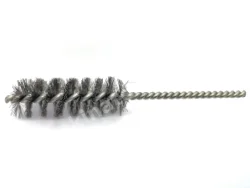
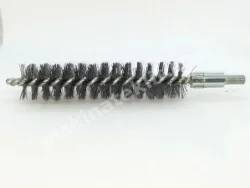
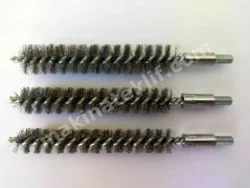
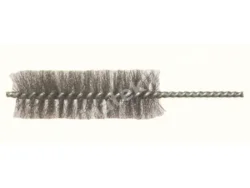
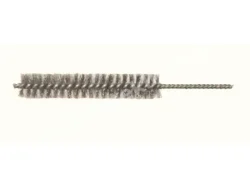
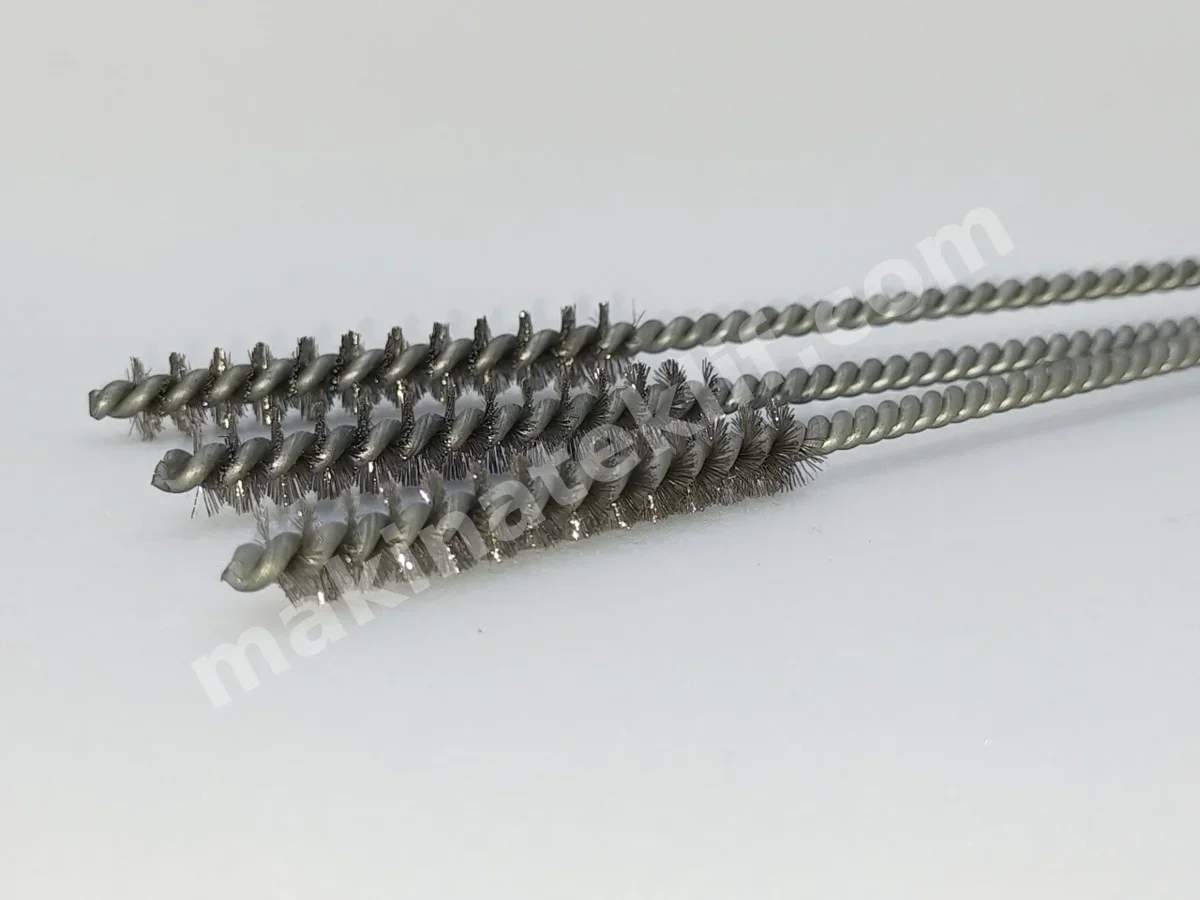
Rebar Post-Installation Epoxy Brushes (chemical anchor brushes) are essential hole-cleaning tools used in construction and structural reinforcement projects. They help prepare concrete holes for securely bonding post-installed reinforcing bars (rebar) and anchor rods to concrete elements.
Fine concrete dust and loose particles left inside drilled holes can negatively affect the adhesion of epoxy (chemical anchoring mortar) to the concrete surface. This can significantly reduce the load-bearing capacity of the anchor. Rebar installation brushes mechanically remove concrete dust and loose particles from the inner walls of the hole, helping prepare a suitable surface for epoxy application.
Detailed Size Standards for Rebar Post-Installation Epoxy Brushes
Brush diameter is selected according to the diameter of the drilled hole (drill bit diameter), not the diameter of the reinforcing bar (rebar) being installed. To clean the inner walls effectively, the brush's outer diameter is generally selected to be 1-3 mm larger than the hole diameter. The exact size must be determined in accordance with the chemical anchoring system manufacturer's instructions.
Standard Matching Guide: Rebar Diameter, Hole Diameter and Brush Diameter
Effective Brush (Bristle) Length: To clean the inner surface of the hole effectively, standard bristle lengths generally range from 80-100 mm (8-10 cm).
Overall Brush Length (Including Handle): The overall brush length is determined by the application depth and the anchoring system being used.
- Standard Series: Available in overall lengths of 300 mm (30 cm) or 400 mm (40 cm).
- Extension Shafts: For deep column and shear wall reinforcement applications, the overall length can be extended up to 1000 mm (1 metre) using threaded or socket-type connection systems.
Material Construction and Connection Types
Depending on the intensity of use on construction sites and the application method (manual or machine-operated), the brush material and connection design may vary.
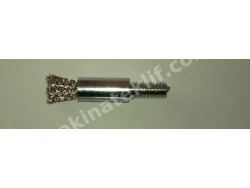
- Bristle Material (Steel Wire): High-strength twisted carbon steel wire or galvanized steel wire can be used to mechanically remove residue from the inner surfaces of concrete holes. The brush material should be selected according to the application requirements and the anchoring system manufacturer's recommendations.
- Connection and Handle Design:
- T-Handle (Manual) Models: Feature a plastic or steel T-shaped handle at the rear of the brush, making it easier to move the brush back and forth and rotate it by hand.
- Drill-Compatible (Machine-Operated) Models: The shaft at the rear of the brush is designed to fit compatible cordless drills or SDS-Plus rotary hammer drills. Connection options may include a hex shank or straight shaft. M6 or M8 threaded extension connections can also be used for cleaning deep holes.
Babataş Harbi Fırça Sanayi
Sakarya Mahallesi Karakol Üstü Sokak No: 13 -15/B, Eyüpsultan, İstanbul, Turkiye