#0000874CategoryIndustrial BrushesProduct TypeCylinder BrushBrandBabataşListing TypeFor SaleConditionNewLocationİstanbulEyüpsultanDeliveryIn Stock

- I would like to check availability.
- I would like to know the delivery time.
- I would like to know the payment terms.
- I would like shipping information.
- Is a used option available?
- Is leasing available?
Shell-and-tube heat exchanger tube sheets and tube ends are critical areas where fluids enter the tubes and where scale, hard deposits, rust, sediment, welding residue, and expansion-related residues can accumulate.
Cleaning tube sheets and tube entrances is just as important as cleaning the internal tube surfaces. Deposits in these areas can disrupt fluid flow, cause pressure losses, and restrict tube entrances.
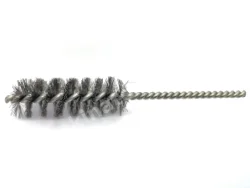
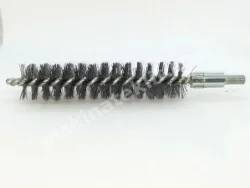
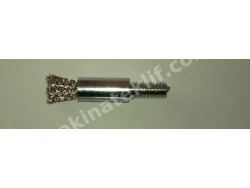
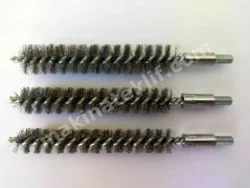
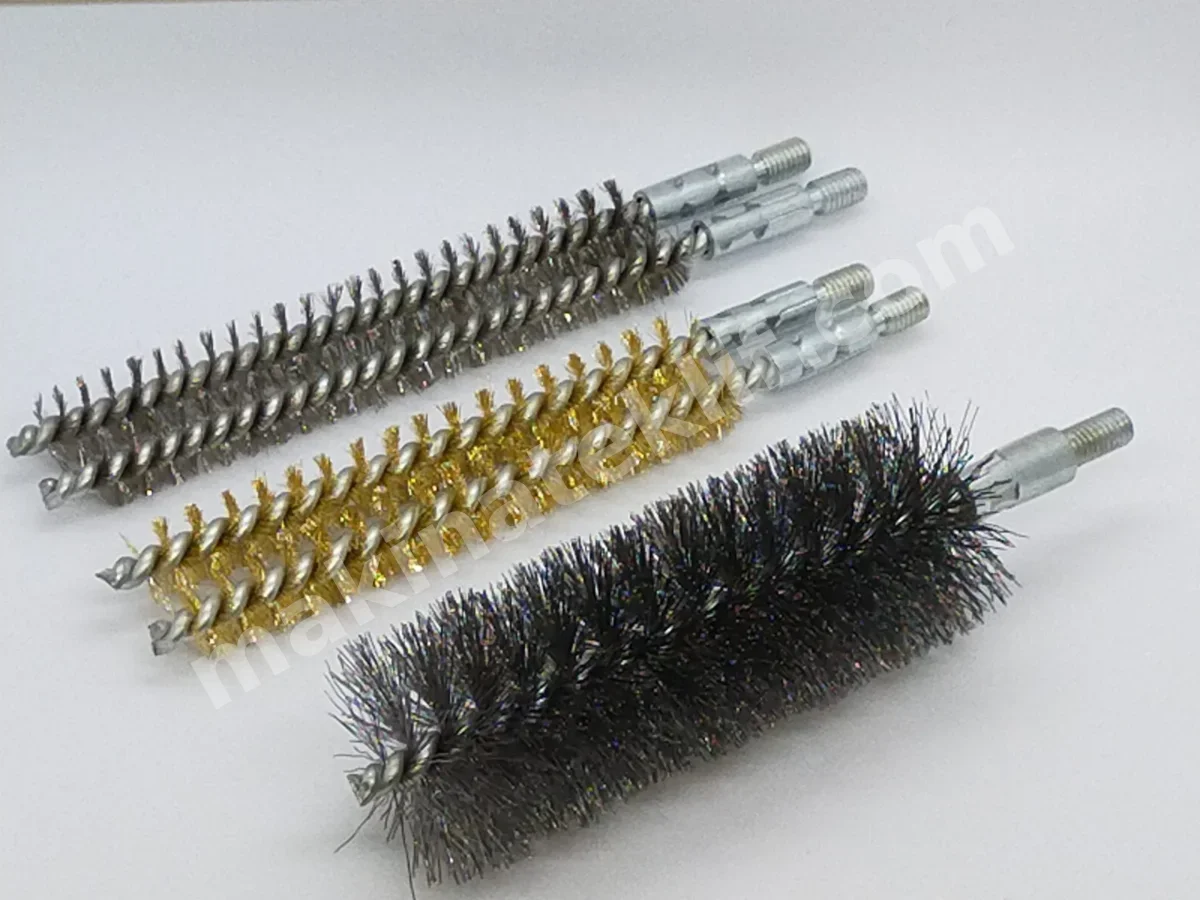
Steel tube sheet cleaning brushes are mechanical cleaning tools designed to clean the flat surfaces of heat exchanger tube sheets and tube entrances using machines such as drills or pneumatic motors. They help remove accumulated deposits and prepare surfaces for subsequent maintenance operations.
Detailed Dimensional Standards for Shell-and-Tube Heat Exchanger Tube Sheet Cleaning Brushes
Two main brush geometries are used for tube sheet cleaning: cylindrical tube cleaning brushes, which clean the inner edges and openings of tubes connected to the tube sheet, and circular cup / disc brushes, which clean the flat face of the tube sheet.
When selecting a cylindrical tube cleaning brush for tube entrances, the brush diameter should be determined according to the tube's internal diameter, tube sheet thickness, bristle material, and required cleaning effect. Selecting a brush 1-2 mm larger than the tube's internal diameter may be suitable for certain applications; however, this is not a universal standard for all tube and brush types.
Brush Diameter (Ø) Standards for Tube Entrances:
Small-Diameter Heat Exchanger Tube Sheets: Ø 9.5 mm (3/8″), Ø 12.7 mm (1/2″), Ø 15.9 mm (5/8″).
Standard Industrial and Process Heat Exchangers: Ø 19.0 mm (3/4″), Ø 22.2 mm (7/8″), Ø 25.4 mm (1″), Ø 31.8 mm (1-1/4″).
Large Lines and Manifold Inlets: Ø 38.1 mm (1-1/2″), Ø 50.8 mm (2″), and larger.
Effective Brushing (Bristle Arrangement) Length: Depending on the geometry of the tube sheet and tube entrance, the bristled section is generally designed within the range of 50-100 mm (5-10 cm). The brushing length should provide access to the entire area being cleaned.
Wire Diameter: Different wire diameters can be used to remove welding residue, hardened deposits, and other buildup from tube sheets:
0.30-0.35 mm: Crimped steel wires suitable for removing scale and corrosion layers of standard hardness.
0.50 mm: Heavy-duty straight or knotted steel wires that can be used for removing heavier welding burrs and hard deposits.
Connection and Shaft Standards:
Straight Hex or Cylindrical Shaft: Steel shafts with diameters of 6 mm or 8 mm, suitable for die grinders or cordless drill chucks. Connection compatibility and runout tolerances should be selected according to the machine being used.
Threaded Connection: Threaded options such as M6 and M12 for attachment to pneumatic tube sheet cleaning equipment or compatible tube cleaning shafts.
Material Construction and Surface Compatibility Matrix
The metal alloy of the heat exchanger tube sheet must be compatible with the hardness and material of the brush wire. Choosing the wrong wire can scratch or damage surfaces, particularly flange faces and gasket seating areas, potentially leading to sealing problems.
Babataş Harbi Fırça Sanayi
Sakarya Mahallesi Karakol Üstü Sokak No: 13 -15/B, Eyüpsultan, İstanbul, Turkiye